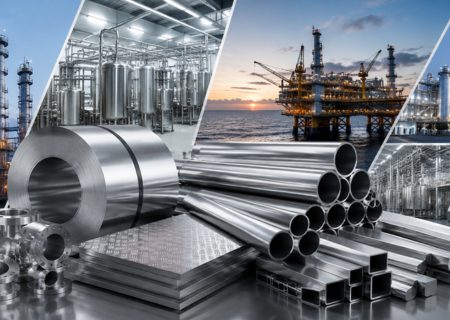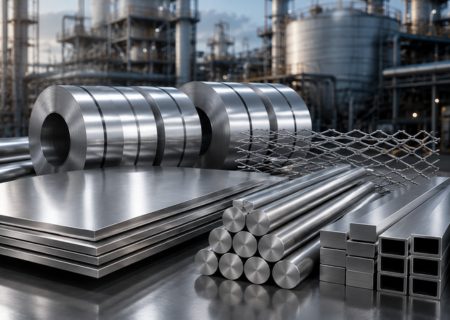
Stainless steel is one of the most widely used engineering materials due to its excellent corrosion resistance, durability, and mechanical strength. However, selecting the right stainless steel grade is essential for ensuring long-term performance, reducing maintenance costs, and maximizing operational efficiency.
Grade 304 – The Most Versatile Choice
Stainless Steel 304 is the most commonly used grade for industrial and commercial applications. It offers excellent corrosion resistance, good weldability, and outstanding formability. It is widely used in food processing equipment, architectural components, kitchen equipment, and general fabrication.
Grade 316 – Superior Corrosion Resistance
For environments exposed to saltwater, chemicals, or chlorides, Stainless Steel 316 is the preferred choice. The addition of molybdenum enhances its resistance to pitting and crevice corrosion, making it ideal for marine, pharmaceutical, and chemical processing industries.
Grade 430 – Cost-Effective Performance
Grade 430 provides good corrosion resistance in mild environments while offering a more economical solution for decorative applications, appliances, and automotive trims.
Factors to Consider
When selecting stainless steel, evaluate:
- Corrosion resistance requirements
- Operating temperature
- Mechanical strength
- Fabrication process
- Budget constraint
Conclusion
Choosing the correct stainless steel grade improves equipment reliability, reduces maintenance costs, and extends product lifespan. Working with an experienced supplier ensures you receive materials that meet international quality standards and application-specific requirements.